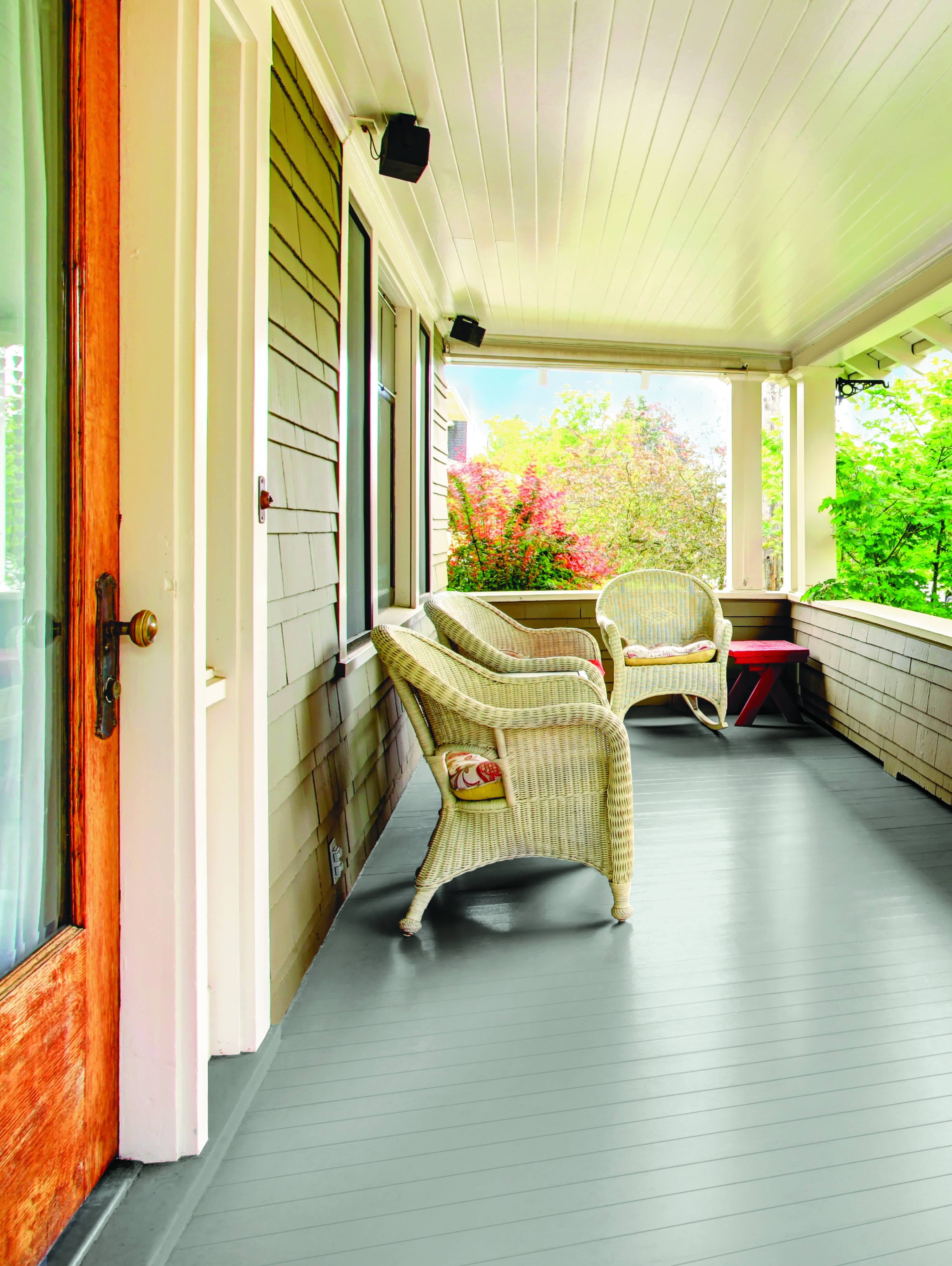

Choosing the right floor and porch paint is essential for transforming outdoor spaces into inviting, durable, and visually appealing areas. Whether you're updating a concrete slab, a wooden deck, or a tiled porch, selecting high-quality paint that withstands weather, foot traffic, and UV exposure ensures long-lasting beauty and protection. Floor and porch paints come in various finishes—from matte to glossy—and diverse color palettes, allowing homeowners to match architectural styles, personal taste, and environmental conditions. Proper application and material selection prevent common issues like peeling, fading, and mold growth, making every outdoor space both functional and stylish. This guide explores everything you need to know about floor and porch paint, including types, application tips, maintenance, and how to choose the best product for your needs.
Understanding Floor and Porch Paint Types
Not all floor and porch paints are created equal—each type serves a specific purpose based on surface material and exposure. Understanding the differences helps in making informed choices:
- Acrylic Latex Paints: Ideal for indoor and covered outdoor surfaces, these paints offer excellent adhesion, flexibility, and resistance to moisture and mildew. They dry quickly and provide a smooth, durable finish perfect for concrete floors and wooden decks.
- Oil-Based Paints: Known for their strong durability and deep color retention, oil-based formulas excel in high-wear areas like front porches and entryways. However, they require mineral spirits for cleanup and emit stronger fumes, making ventilation crucial during application.
- Stain-Resistant Porch Paints: Designed specifically for exterior use, these paints block stains from dirt, water, and UV rays while maintaining breathability—critical for preventing trapped moisture under tiles or wood.
- Epoxy and Polyurethane Coatings: Used primarily on industrial or commercial floors, epoxy paints deliver extreme hardness and chemical resistance, though they demand precise surface preparation and professional application.
- Water-Based vs. Solvent-Based: Water-based paints are eco-friendly, low odor, and easy to clean, making them popular for residential use. Solvent-based options offer superior toughness but require careful handling due to flammable solvents.
Note: Always test paint on a small, inconspicuous area before full application to ensure color compatibility and adhesion.
| Paint Type | Best For | Key Features | Durability Level |
|---|---|---|---|
| Acrylic Latex | Concrete floors, wooden decks | Flexible, mildew-resistant, quick-drying | High |
| Oil-Based | Front porches, high-traffic entryways | Durable, rich finish, stain-resistant | Very High |
| Stain-Resistant | Outdoor tile, stone, concrete | Blocks stains, breathable, weatherproof | High |
| Epoxy & Polyurethane | Commercial floors, garages, industrial spaces | Extreme hardness, chemical resistance | Exceptional |
| Water-Based | Residential floors, decks | Low odor, easy cleanup, eco-friendly | High |
| Solvent-Based | Heavy-duty industrial floors | Superior toughness, fast drying | Very High |
Note: Surface prep is critical—clean, dry, and free of loose particles for optimal paint performance.
Note: Choose a paint with UV protection to prevent fading caused by prolonged sun exposure, especially on light-colored finishes.
The right floor and porch paint not only enhances curb appeal but also protects surfaces from water damage, mold, and wear. Selecting based on material, climate, and usage ensures lasting results that withstand daily life and changing seasons.
Note: Regular maintenance extends paint life—clean with mild soap and water, avoid abrasive scrubbing, and reapply protective coats annually or as needed.
When selecting floor and porch paint, consider the environment’s demands: coastal areas benefit from salt-resistant formulas, while shaded patios may need mold-inhibiting paints. Matching the paint’s finish to the surface—matte for low-gloss floors, satin for decks—improves both aesthetics and slip resistance. Proper application techniques, including sanding, priming when necessary, and applying thin, even coats, prevent common failures like peeling or uneven texture. Investing time in preparation and choosing quality materials pays off through years of reliable performance and enduring beauty.
Related Terms:
- best price on porch paint
- exterior porch floor paint
- evolve floor and porch paint
- allflor porch and patio paint
- porch and patio paint lowe's
- paint for cement porch floor