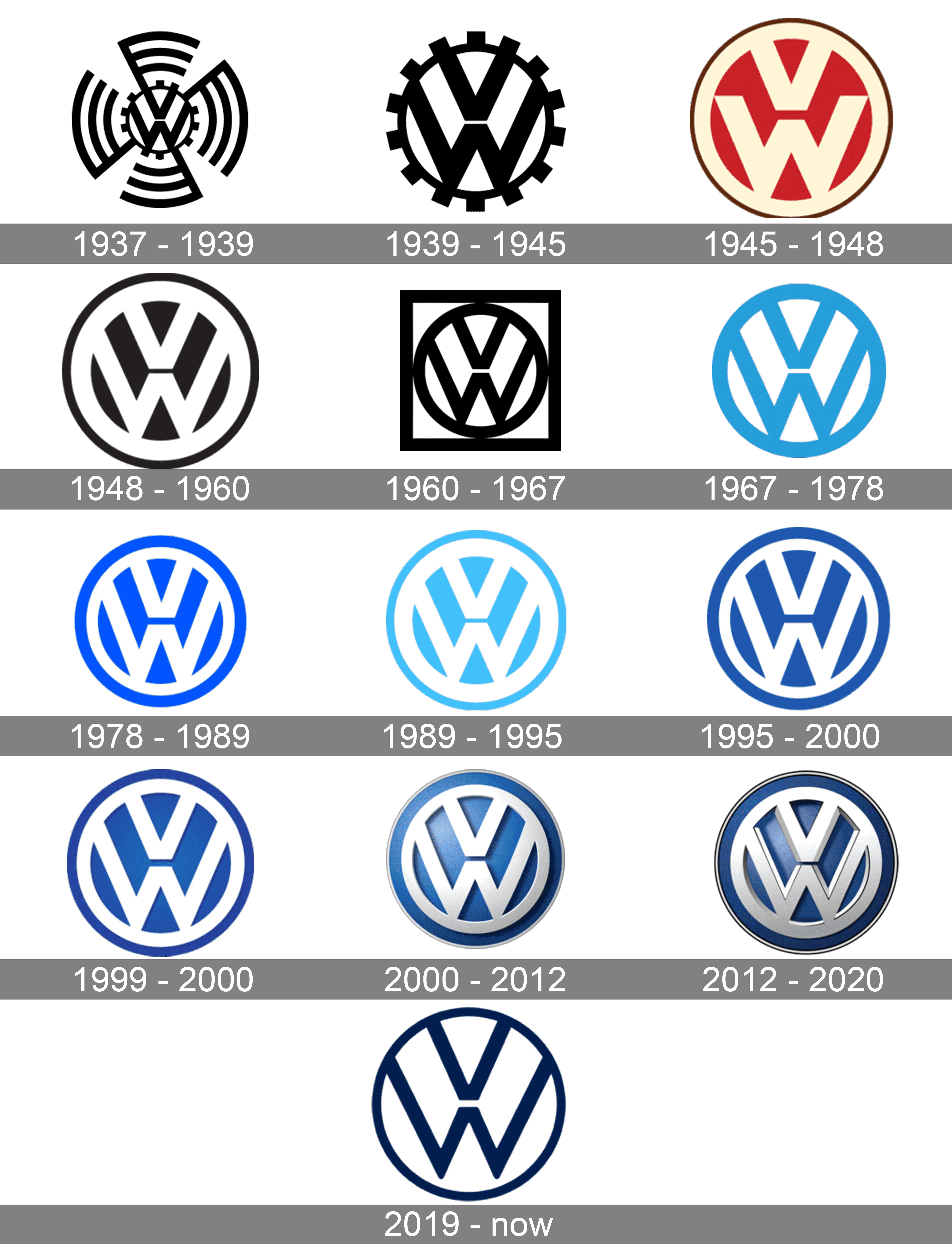

Volkswagen, a name synonymous with automotive excellence, has a rich history that spans nearly a century. The question "Is Volkswagen from Germany?" is often asked by enthusiasts and newcomers alike, and the answer is a resounding yes. Founded in 1937, Volkswagen, which translates to "people's car" in German, has its roots deeply embedded in the heart of Germany. This blog post will delve into the origins, evolution, and global impact of Volkswagen, highlighting why it remains a symbol of German engineering and innovation.
The Origins of Volkswagen
The story of Volkswagen begins in the 1930s when the German government, under the leadership of Adolf Hitler, sought to create an affordable car for the masses. The project was initiated by the German Labour Front, and Ferdinand Porsche was commissioned to design a car that would be accessible to the average German citizen. The result was the Volkswagen Beetle, a compact, economical, and reliable vehicle that would go on to become one of the best-selling cars in history.
The Beetle was designed to be simple, durable, and easy to maintain, making it an ideal choice for the average consumer. The car's unique design, with its rear-mounted engine and distinctive shape, quickly became an icon of German engineering. The Beetle's success laid the foundation for Volkswagen's future growth and established the company as a leader in the automotive industry.
Post-War Expansion and Global Reach
After World War II, Volkswagen faced significant challenges, including the destruction of its factories and the need to rebuild its operations. However, the company's resilience and the enduring popularity of the Beetle helped it overcome these obstacles. In the 1950s and 1960s, Volkswagen expanded its operations beyond Germany, establishing manufacturing plants in countries such as Brazil, Mexico, and South Africa.
This global expansion allowed Volkswagen to tap into new markets and diversify its product offerings. The company introduced several new models, including the Volkswagen Bus, the Volkswagen Golf, and the Volkswagen Passat, each of which became popular in its own right. By the 1970s, Volkswagen had established itself as a global brand, with a presence in markets around the world.
Innovation and Technological Advancements
Volkswagen's commitment to innovation and technological advancements has been a key factor in its success. The company has consistently invested in research and development to stay at the forefront of automotive technology. Some of the notable innovations introduced by Volkswagen include:
- The introduction of the front-wheel-drive system in the Volkswagen Golf, which improved handling and stability.
- The development of the TDI (Turbocharged Direct Injection) diesel engine, which offered improved fuel efficiency and reduced emissions.
- The implementation of advanced safety features, such as airbags, anti-lock braking systems (ABS), and electronic stability control (ESC).
- The adoption of hybrid and electric vehicle technologies, with models like the Volkswagen e-Golf and the Volkswagen ID.3 leading the way in sustainable mobility.
These innovations have not only enhanced the performance and efficiency of Volkswagen vehicles but have also set new standards for the automotive industry as a whole.
Volkswagen's Impact on German Economy and Culture
Volkswagen's impact on the German economy and culture cannot be overstated. The company is one of the largest employers in Germany, providing jobs for thousands of people and contributing significantly to the country's GDP. Volkswagen's success has also helped to establish Germany as a global leader in automotive manufacturing and engineering.
Culturally, Volkswagen has become an integral part of German identity. The Beetle, in particular, is often seen as a symbol of post-war reconstruction and economic recovery. The car's enduring popularity and cultural significance have made it a beloved icon in Germany and around the world.
Volkswagen's influence extends beyond the automotive industry. The company has been involved in various philanthropic and social initiatives, supporting education, environmental conservation, and community development. These efforts have further cemented Volkswagen's reputation as a responsible and socially conscious corporation.
Volkswagen's Global Presence and Market Share
Today, Volkswagen is one of the largest automotive manufacturers in the world, with a presence in over 150 countries. The company's extensive global network includes numerous manufacturing plants, research and development centers, and sales and service outlets. This global reach allows Volkswagen to cater to diverse market needs and preferences, ensuring that its vehicles are accessible to consumers worldwide.
Volkswagen's market share is a testament to its success and popularity. The company's various brands, including Audi, Bentley, Bugatti, Lamborghini, Porsche, and Škoda, cater to different segments of the market, from luxury and sports cars to compact and family vehicles. This diverse portfolio enables Volkswagen to maintain a strong market position and continue to grow.
Volkswagen's commitment to sustainability and environmental responsibility is evident in its efforts to reduce emissions and promote eco-friendly technologies. The company has set ambitious targets for reducing its carbon footprint and increasing the use of renewable energy in its operations. These initiatives reflect Volkswagen's dedication to creating a more sustainable future for the automotive industry and the planet.
Volkswagen's Iconic Models
Over the years, Volkswagen has produced several iconic models that have left an indelible mark on the automotive landscape. Some of the most notable models include:
| Model | Year Introduced | Key Features |
|---|---|---|
| Volkswagen Beetle | 1938 | Compact size, rear-mounted engine, distinctive design |
| Volkswagen Bus | 1950 | Versatile, spacious, popular among hippies and surfers |
| Volkswagen Golf | 1974 | Front-wheel drive, sporty design, popular in Europe and North America |
| Volkswagen Passat | 1973 | Spacious interior, comfortable ride, available in sedan and wagon versions |
| Volkswagen Jetta | 1979 | Compact sedan, reliable, popular in North America |
| Volkswagen Tiguan | 2007 | Compact SUV, versatile, popular among families |
These models have not only contributed to Volkswagen's success but have also become cultural icons in their own right. The Beetle, in particular, has achieved legendary status, with its unique design and enduring popularity making it one of the most recognizable cars in the world.
🚘 Note: The Volkswagen Beetle's design was influenced by the Tatra T97, a Czech car designed by Hans Ledwinka. This influence led to a legal dispute between Volkswagen and Tatra, which was eventually settled out of court.
Volkswagen's Commitment to Sustainability
In recent years, Volkswagen has placed a strong emphasis on sustainability and environmental responsibility. The company has set ambitious goals to reduce its carbon footprint and promote eco-friendly technologies. Some of the key initiatives include:
- The development of electric vehicles (EVs) and hybrid models, such as the Volkswagen e-Golf and the Volkswagen ID.3.
- The implementation of renewable energy sources in manufacturing plants, including solar and wind power.
- The use of recycled materials in vehicle production and the promotion of circular economy principles.
- The establishment of partnerships with environmental organizations to support conservation efforts and promote sustainable practices.
These initiatives reflect Volkswagen's commitment to creating a more sustainable future for the automotive industry and the planet. By investing in green technologies and promoting eco-friendly practices, Volkswagen aims to lead the way in sustainable mobility.
Volkswagen's Future Prospects
As Volkswagen looks to the future, the company is focused on innovation, sustainability, and global expansion. The automotive industry is undergoing rapid changes, driven by advancements in technology, shifting consumer preferences, and increasing environmental concerns. Volkswagen is well-positioned to navigate these challenges and capitalize on new opportunities.
Some of the key areas of focus for Volkswagen's future include:
- The continued development of electric and hybrid vehicles, with a goal of becoming a leader in sustainable mobility.
- The expansion of its global presence, with a focus on emerging markets and new customer segments.
- The investment in autonomous driving technologies and connected car solutions, enhancing the driving experience and safety.
- The promotion of circular economy principles, reducing waste and promoting sustainable practices throughout the supply chain.
By staying at the forefront of innovation and sustainability, Volkswagen is poised to continue its legacy of excellence and leadership in the automotive industry.
Volkswagen's journey from a small German car manufacturer to a global automotive giant is a testament to its resilience, innovation, and commitment to quality. The question "Is Volkswagen from Germany?" is not just about its origins but also about its enduring impact on the automotive industry and the world. From the iconic Beetle to the cutting-edge electric vehicles of today, Volkswagen has consistently pushed the boundaries of what is possible, setting new standards for performance, efficiency, and sustainability.
As Volkswagen continues to evolve and adapt to the changing landscape of the automotive industry, its roots in Germany remain a source of pride and inspiration. The company’s commitment to innovation, sustainability, and global excellence ensures that it will continue to be a leader in the years to come, driving forward the future of mobility with passion and determination.
Related Terms:
- what year was volkswagen founded
- was volkswagen founded by hitler
- where was vw founded
- why is volkswagen called
- what is volkswagen known for
- are vw cars genuinely german