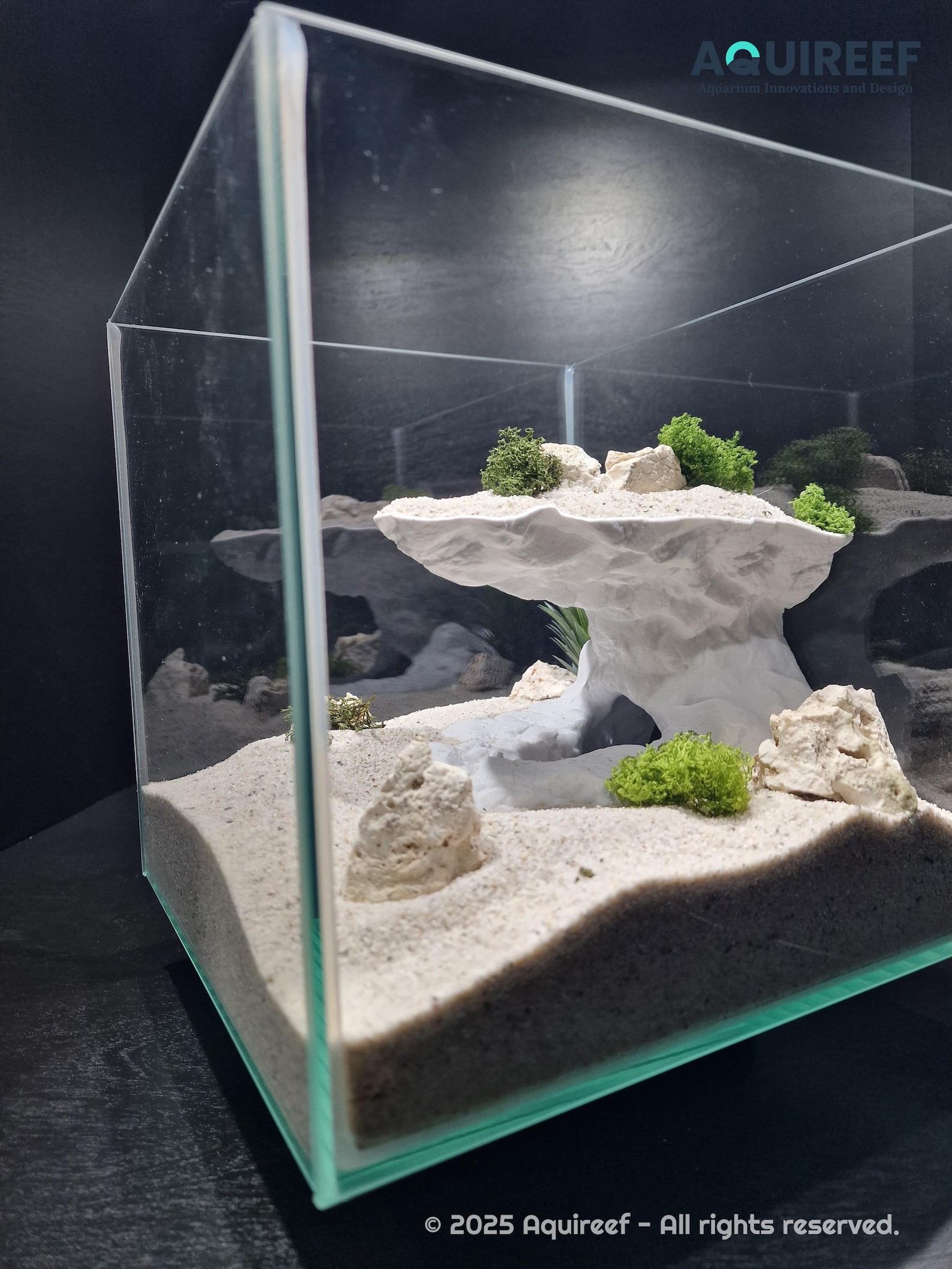

Creating a comfortable and stimulating environment for your reptile is essential for its health and well-being. One of the key elements in achieving this is the inclusion of a Reptile Terrarium Cave STL in your terrarium setup. These 3D-printed caves not only provide a hiding spot for your reptile but also add an aesthetic appeal to your terrarium. This guide will walk you through the process of designing, printing, and integrating a Reptile Terrarium Cave STL into your terrarium.
Understanding the Importance of a Reptile Terrarium Cave
A Reptile Terrarium Cave STL serves multiple purposes in a reptile's habitat. It provides a safe space for your reptile to hide, which is crucial for their mental health and stress reduction. Additionally, these caves can help regulate temperature and humidity, creating microclimates that mimic their natural environments. For reptiles that are nocturnal or prefer dark, enclosed spaces, a cave can be a vital part of their daily routine.
Designing Your Reptile Terrarium Cave STL
Designing a Reptile Terrarium Cave STL involves several steps, from conceptualization to finalizing the 3D model. Here’s a step-by-step guide to help you through the process:
Conceptualization
Before you start designing, consider the specific needs of your reptile. Different species have different preferences for cave size, shape, and material. For example, smaller reptiles like geckos might prefer a compact cave, while larger species like bearded dragons might need a more spacious one.
Choosing the Right Software
There are several 3D modeling software options available, each with its own set of features. Some popular choices include:
- TinkerCAD: User-friendly and great for beginners.
- Blender: More advanced, offering a wide range of tools for detailed designs.
- Fusion 360: Ideal for those with some experience in 3D modeling.
Creating the 3D Model
Once you have your software ready, you can start creating your Reptile Terrarium Cave STL. Here are the basic steps:
- Sketch the Basic Shape: Start by sketching the basic shape of your cave. This could be a simple dome, a rectangular box, or a more complex design.
- Add Details: Add details like entrances, internal chambers, and textured surfaces to make the cave more realistic and functional.
- Refine the Design: Use the software’s tools to refine the design, ensuring that all edges are smooth and that the cave is structurally sound.
- Export the STL File: Once you’re satisfied with your design, export it as an STL file. This file format is compatible with most 3D printers.
Printing Your Reptile Terrarium Cave STL
After designing your Reptile Terrarium Cave STL, the next step is to print it. Here’s what you need to know:
Choosing the Right Material
The material you choose for printing your cave can affect its durability and safety. Common materials include:
- PLA: Biodegradable and easy to print, but not as durable as other materials.
- ABS: More durable and heat-resistant, making it a good choice for larger reptiles.
- Resin: Offers high detail and durability, but requires post-processing.
Setting Up Your 3D Printer
Before printing, make sure your 3D printer is properly calibrated and that you have the necessary settings configured. This includes:
- Layer height: Determines the resolution of your print.
- Print speed: Affects the time it takes to print and the quality of the final product.
- Infill density: Determines the strength and weight of the print.
Printing the Cave
Once your printer is set up, you can start printing your Reptile Terrarium Cave STL. Monitor the printing process to ensure everything goes smoothly. After printing, allow the cave to cool down before handling it.
📝 Note: Always follow the manufacturer’s guidelines for your 3D printer to ensure safe and effective printing.
Integrating the Cave into Your Terrarium
Once your Reptile Terrarium Cave STL is printed, it’s time to integrate it into your terrarium. Here are some tips to help you get started:
Placement
The placement of the cave is crucial for your reptile’s comfort and safety. Consider the following:
- Temperature Zones: Place the cave in a cooler part of the terrarium if your reptile prefers to hide in cooler areas.
- Visibility: Ensure the cave is easily accessible but not too visible, as some reptiles prefer a more secluded hiding spot.
- Stability: Make sure the cave is stable and won’t topple over easily.
Decorating the Cave
To make the cave more appealing and functional, you can add decorations and accessories. Some ideas include:
- Plants: Add artificial or live plants around the cave to create a more natural environment.
- Substrate: Use a suitable substrate inside the cave to mimic natural conditions.
- Decorative Elements: Add rocks, branches, or other decorative elements to enhance the cave’s appearance.
Maintaining Your Reptile Terrarium Cave
Regular maintenance is essential to keep your Reptile Terrarium Cave STL clean and safe for your reptile. Here are some tips:
Cleaning
Clean the cave regularly to prevent the buildup of bacteria and odors. Use a mild soap and warm water solution, and avoid harsh chemicals that could harm your reptile.
Inspection
Inspect the cave for any signs of wear and tear. If you notice any cracks or damage, repair or replace the cave as needed.
Replacement
Over time, your reptile may outgrow the cave or you may want to update the design. When it’s time for a replacement, consider printing a new Reptile Terrarium Cave STL with updated features or a different design.
📝 Note: Always ensure that any new cave is thoroughly cleaned and disinfected before introducing it to your terrarium.
Benefits of Using a 3D-Printed Reptile Terrarium Cave
Using a 3D-printed Reptile Terrarium Cave STL offers several benefits over traditional caves:
- Customization: You can design the cave to perfectly fit your reptile’s needs and preferences.
- Durability: 3D-printed caves are often more durable and long-lasting than store-bought options.
- Cost-Effective: Printing your own cave can be more cost-effective in the long run, especially if you have access to a 3D printer.
- Aesthetic Appeal: You can create a cave that not only functions well but also looks great in your terrarium.
Common Mistakes to Avoid
When designing and printing a Reptile Terrarium Cave STL, there are some common mistakes to avoid:
- Ignoring Size Requirements: Ensure the cave is the right size for your reptile. A cave that is too small can be uncomfortable, while one that is too large may not provide the necessary sense of security.
- Overlooking Safety: Make sure the cave is safe for your reptile, with no sharp edges or toxic materials.
- Neglecting Maintenance: Regular cleaning and inspection are crucial to keep the cave in good condition.
By avoiding these mistakes, you can ensure that your Reptile Terrarium Cave STL is a valuable addition to your terrarium.
In conclusion, a Reptile Terrarium Cave STL is an essential component of a well-designed terrarium. It provides a safe and comfortable hiding spot for your reptile, enhances the aesthetic appeal of your terrarium, and can be customized to meet the specific needs of your pet. By following the steps outlined in this guide, you can create a functional and beautiful cave that will greatly benefit your reptile’s well-being.
Related Terms:
- rock cave for reptiles model